Sensing hardware prototype developed and tested - Version 1

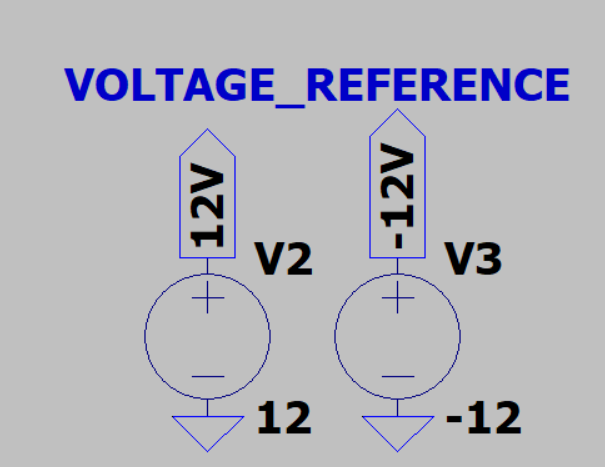
The voltage reference circuit (Figure 1) provides a stable voltage of 12 V, and -12 V using an external buck-boost converter. The current sense amplifier needs these voltages to provide a linear output voltage in the 0 to 3.3 V range. Note that -12 V is not needed, but some negative voltage is needed for the current sense amplifier to operate in a linear area when there is no current through the shunt.
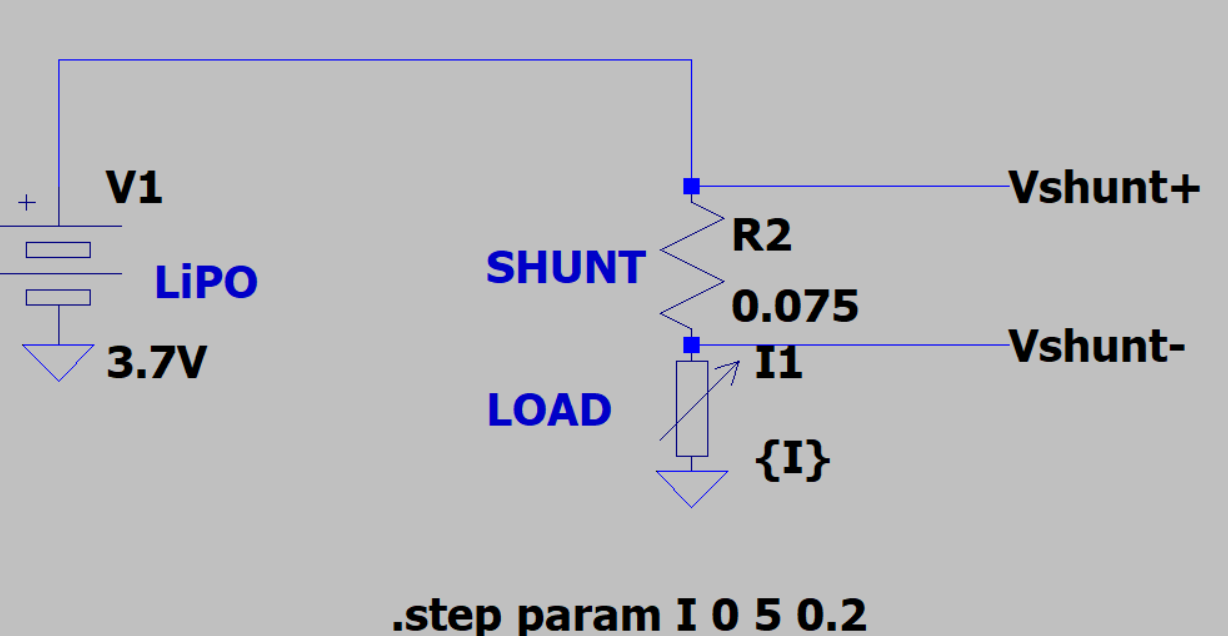
The shunt value is chosen so that it does not dissipate too much power with a maximum current of 5 A passing through it. Shunt voltage drop must not be too high for the load to work (High side current sense). The selected shunt is presented in Figure 2.
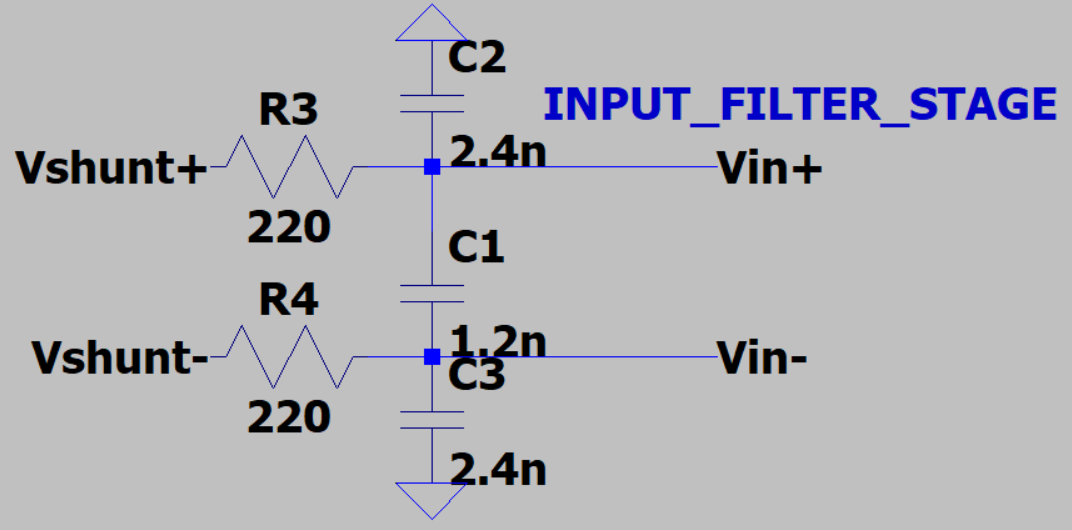
Differential low pas first order (Figure 3) filter is set to 150 kHz cutoff frequency. This value is chosen according to the specification of the current sense amplifier.
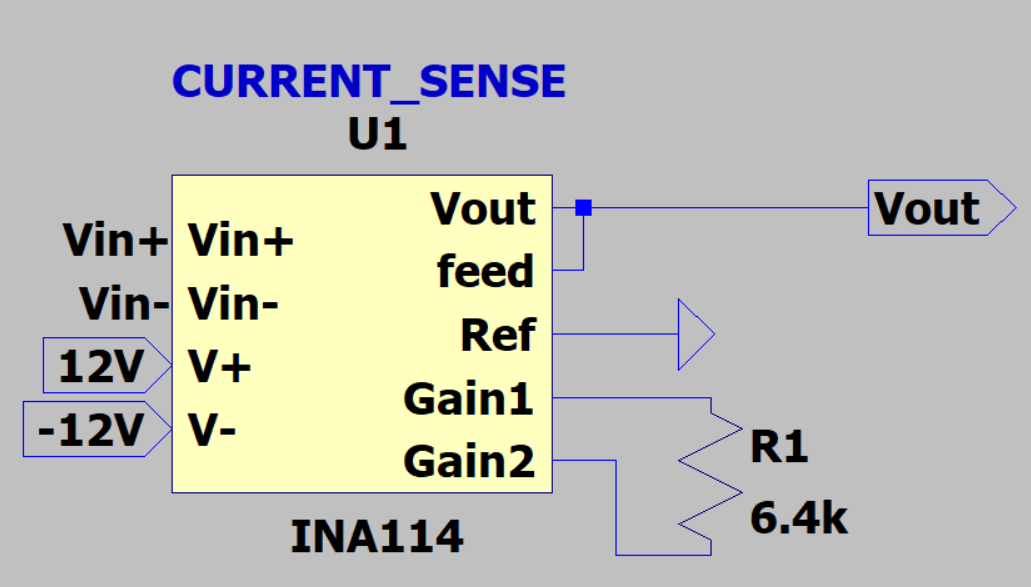
The high-side current amplifier amplifies voltage drop on the shunt, representing the linear scaling of current passing through the shunt. Gain is set that for current of 5 A through a shunt of 75 mΩ generates 3.3 V on the input pin of ADC.
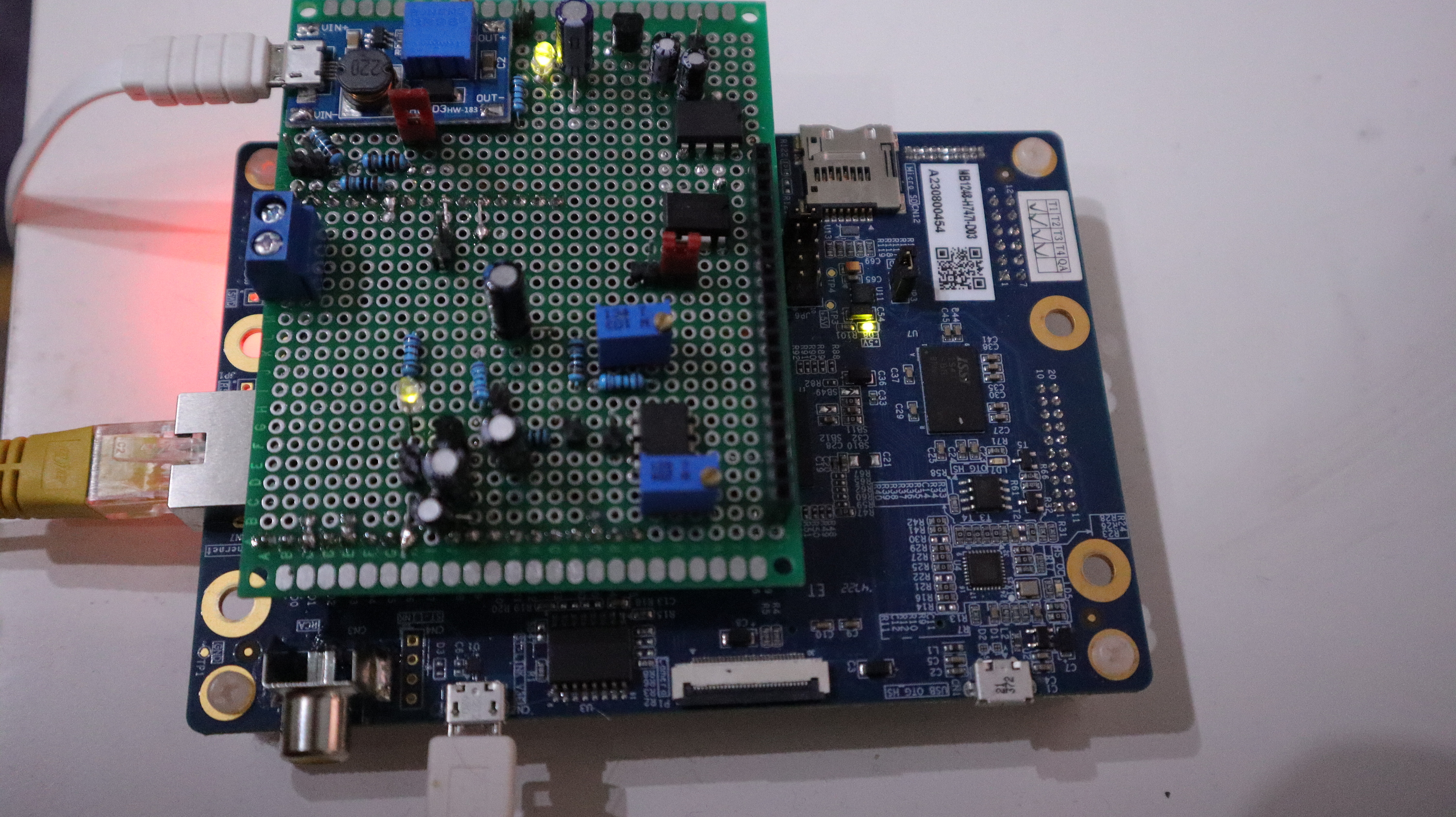
The sensing circuit is implemented as Arduino compatible shield as presented in Figure 5
The sensing circuit is implemented as Arduino compatible shield as presented in Figure 5
The complete sensing circuit spice schematic is available on the official GitHub repo .
The complete sensing circuit spice schematic is available on the official GitHub repo .